
TOP Relay Module Supplier in China
As a top relay module supplier in China, CDGKZ delivers high-quality, reliable relay modules designed for a wide range of industrial and electronic applications. With advanced technology and strict quality control, CDGKZ ensures excellent performance and durability, meeting the diverse needs of global customers. Trusted for innovation and fast delivery, CDGKZ is your go-to partner for relay solutions.
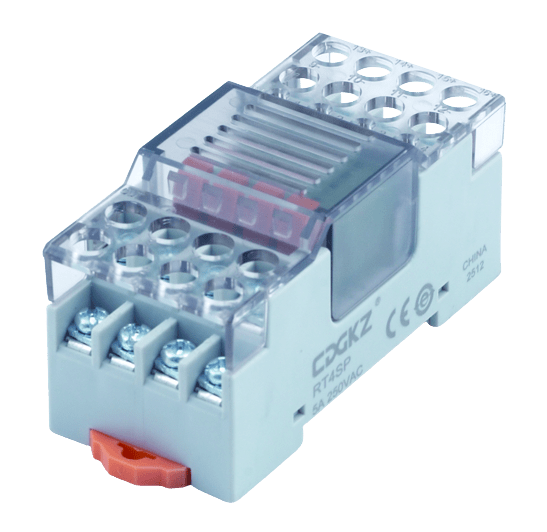
Relay Module Online Wholesale
CDGKZ is a trusted supplier of relay modules available for online wholesale, offering a wide range of high-quality products for industrial and electronic applications. Their relay modules are designed for reliability, durability, and efficient performance, covering single-channel to multi-channel options suitable for automation and control systems.
With advanced manufacturing and strict quality control, CDGKZ ensures each relay module meets rigorous standards. Customization options include various voltage ratings and current capacities to match specific project needs. This dedication to quality and innovation makes CDGKZ a reliable partner in the relay module market.
The online wholesale platform offers competitive prices and fast worldwide shipping. Combined with responsive customer support and technical assistance, CDGKZ provides an easy, efficient purchasing experience for businesses seeking dependable relay module solutions.
Still not finding what you're looking for?
Contact our consultants for more available products.
Explore Our Relay Module Wholesale Options
Discover CDGKZ’s versatile relay module wholesale range—engineered for precision and built to last. Tailor-made solutions, unbeatable value, and swift delivery combine to power your projects forward seamlessly.

Relay Module Supplier With Low MOQ
CDGKZ is a trusted relay module supplier specializing in low MOQ orders, perfect for startups and small businesses. They provide high-quality, reliable relay modules with flexible customization options. With efficient production and fast shipping, CDGKZ helps you scale your projects smoothly without large upfront investments.
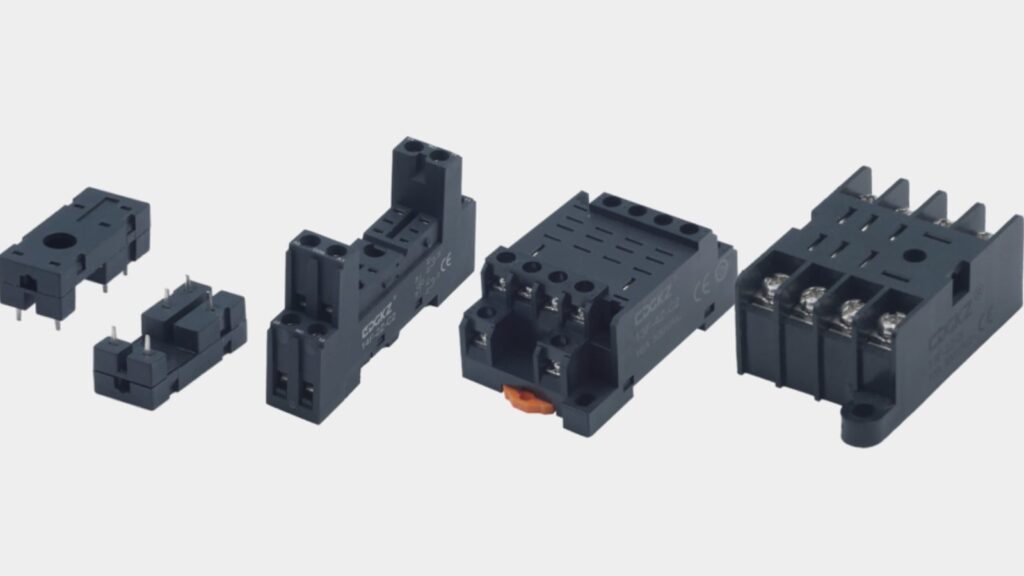
Relay Module Available
Relay modules are available in a variety of configurations to meet diverse industrial and electronic needs. Designed for reliable switching, they support multiple channels and voltage ratings. Customizable options allow easy integration into control systems, automation setups, and smart devices. Built with durable materials, these relay modules ensure consistent performance and long service life in demanding environments.
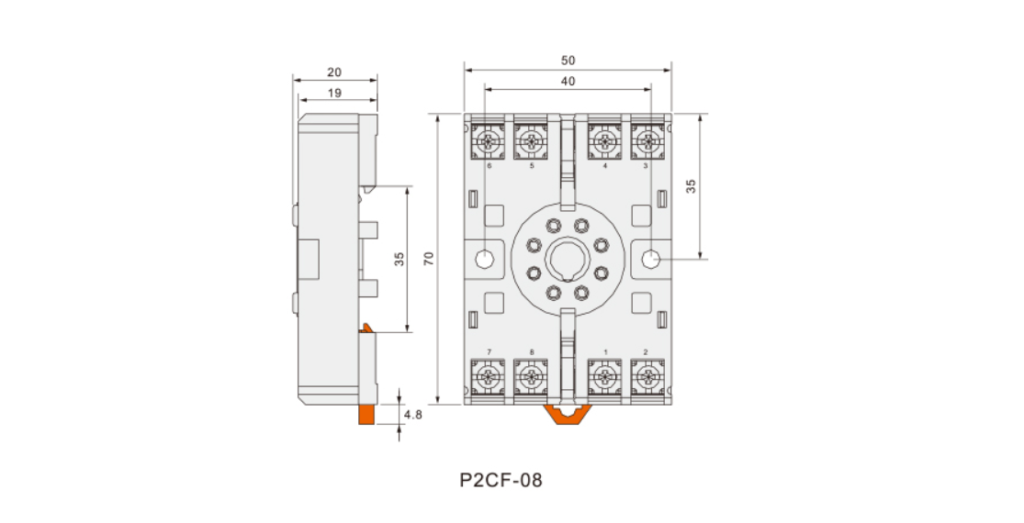
Sizes & Pin Options of Relay Module
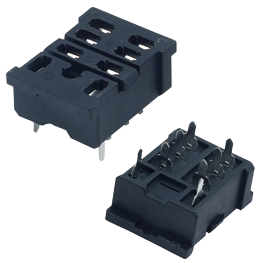
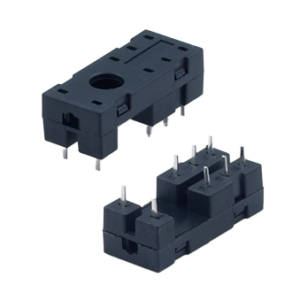
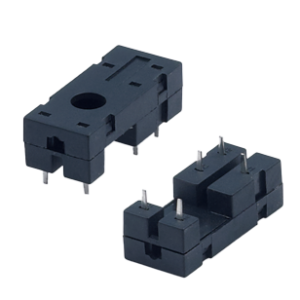
Relay modules are available in multiple sizes and pin configurations, such as 2-pin, 4-pin, and multi-pin setups. These options offer flexibility for different circuit requirements, making installation easier and ensuring compatibility with various control systems and electronic devices. Choosing the right size and pin layout is essential for efficient wiring and reliable operation.
CDGKZ Relay
Your trusted Relay Module manufacturer since 2008.
Your trusted relay module manufacturer since 2008, offering a wide range of reliable products including single-channel, multi-channel, low-level trigger, high-level trigger, and optocoupler-isolated relay modules. Designed for industrial, automotive, and electronic applications, these modules ensure consistent performance and durability. With advanced manufacturing and strict quality control, CDGKZ provides customizable voltage ratings, contact types, and form factors to meet diverse project needs. Committed to quality, innovation, and timely delivery, CDGKZ is a dependable partner for relay module solutions worldwide.
4000+
Automated Production Facility (㎡)
17+
Years of Industrial Expertise
70+
Dedicated Engineering Team
100%
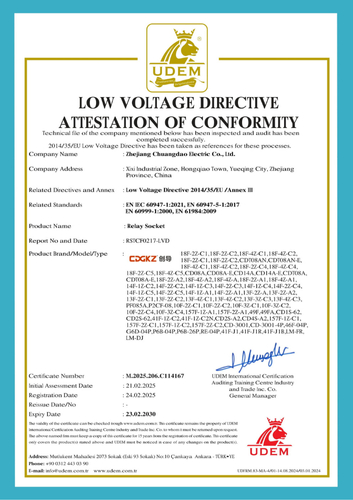
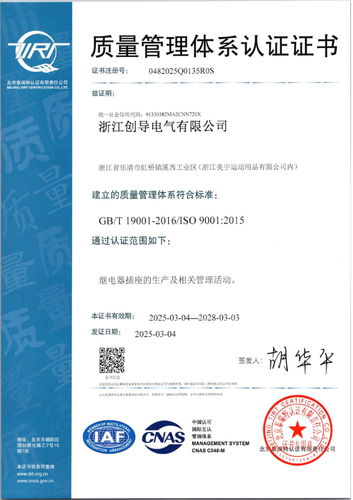
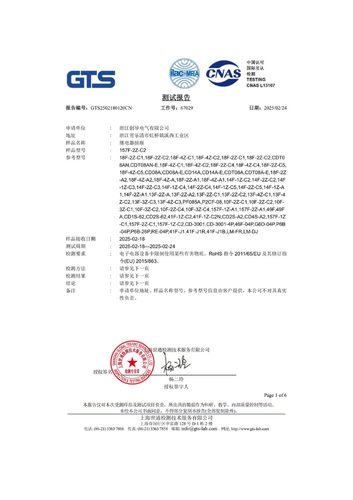
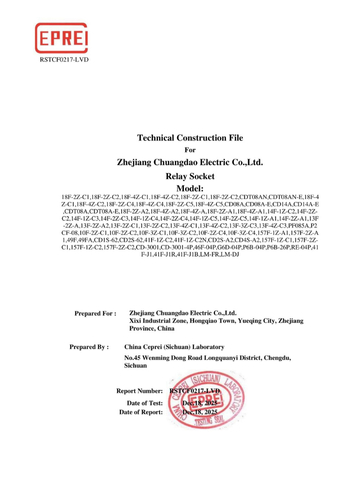
Quality-Certified (ISO9001, CE, RoHS)
Your Reliable Relay Module Manufacturer
ChatGPT 说:
Your reliable relay module manufacturer, providing durable, high-performance modules with customizable options and strict quality control to serve diverse industrial and electronic applications.
FAQs about Relay Module
1. What exactly is a relay module, and what are its typical applications?
A relay module is an electronic component combining a relay and the necessary driver circuitry, allowing a low-voltage control signal (from a microcontroller, PLC, or switch) to safely switch higher voltage or current loads. It acts as an electrically operated switch. Common applications include home automation (controlling lights, fans), industrial machinery, automotive systems, robotics, and security devices, enabling control of motors, heaters, lamps, and other heavy electrical loads remotely or automatically.
2. What voltage and current specifications do relay modules generally support?
Relay modules usually have coils powered by 5V, 12V, or 24V DC control signals, though other voltages exist depending on the design. The relay contacts can switch voltages ranging from low-voltage DC (12V, 24V) to mains voltages up to 250V AC or DC. Current ratings for the contacts typically range from 5A to 15A. Always consult the datasheet for the specific relay to ensure it matches your load requirements, as exceeding ratings risks failure or hazards.
3. What are the main types of relay modules available on the market?
The main types include:
Single-channel modules: control one load.
Multi-channel modules: control several loads independently, ideal for complex systems.
Optocoupler-isolated modules: include an optocoupler to electrically isolate the control signal from the load circuit, enhancing safety and reducing interference.
Low-level trigger modules: activate the relay when the input signal is LOW (0V), useful for some microcontrollers.
High-level trigger modules: activate when the input signal is HIGH (5V or 12V).
Some modules also feature built-in LED indicators and protection circuits for easier debugging and durability.
4. Are relay modules suitable for switching DC loads, and what precautions are necessary?
Yes, relay modules can switch DC loads, but DC load switching is more challenging than AC due to the continuous current flow that can cause arcing when contacts open. Therefore, DC loads should not exceed the relay’s rated voltage and current. It’s also advisable to use additional protective components like snubbers or contact protection circuits to extend relay life and ensure safe operation.
5. What is the expected mechanical and electrical lifespan of relay modules?
Mechanical lifespan refers to the number of times the relay can physically open and close (usually 100,000 to over 1,000,000 cycles). Electrical lifespan depends on the load type: resistive loads allow longer lifespans, while inductive or motor loads shorten it due to arcing. Following the manufacturer’s specified voltage and current limits and using protective components can significantly improve service life.
6. Do I need an external power supply for relay modules, and what are typical voltage requirements?
Yes, relay modules require an external DC power supply to energize the coil that controls the relay contacts. Common coil voltages include 5V, 12V, and 24V DC. The power supply must provide enough current to reliably energize the coil without voltage drops. The control signal (from a microcontroller or switch) simply triggers the coil circuit, but the coil’s power comes from this separate supply.
7. How can electrical noise and interference from relay modules be minimized?
Relays generate voltage spikes when the coil is de-energized due to inductive kickback, which can damage sensitive electronics or cause erratic behavior. Using a flyback diode across the relay coil prevents these spikes by providing a safe path for the current. Optocoupler isolation can separate the control circuitry from the load side electrically, reducing noise. Proper grounding, shielding, and using snubber circuits for inductive loads also help maintain signal integrity.
8. What is the best way to connect a relay module to a microcontroller?
Connect the relay module’s input pin to a digital output pin on the microcontroller. Ensure the microcontroller and relay module share a common ground. When the microcontroller output changes state (HIGH or LOW depending on module type), it energizes the relay coil via the driver circuit on the module. This closes or opens the relay contacts, switching the external load. Always verify voltage compatibility to avoid damage.